
Taxes
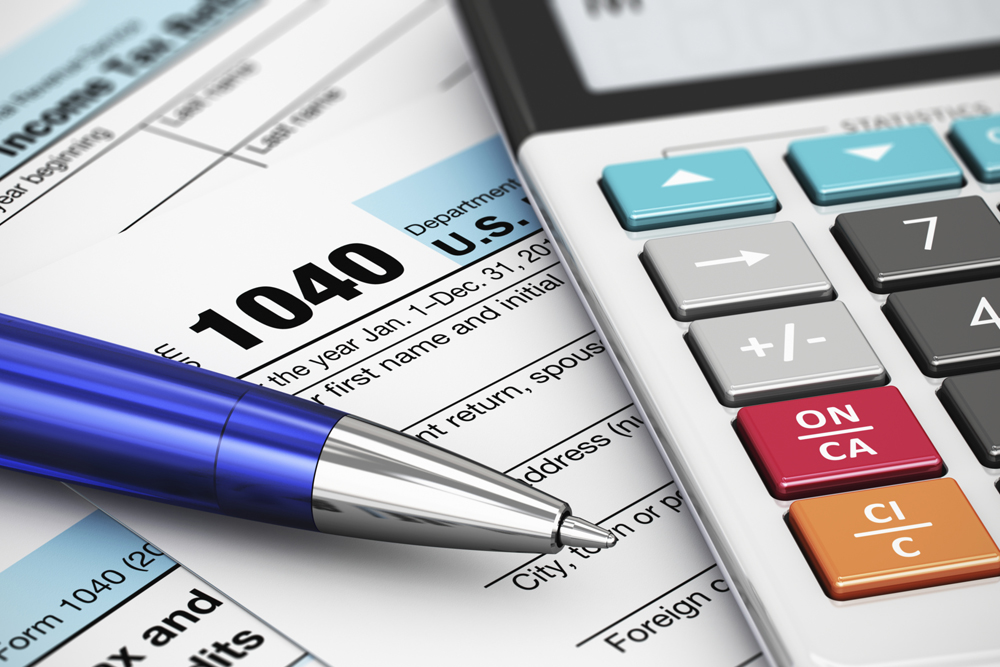
Taxes
Many times we ask ourselves when doing a business or receiving money, how much tax do I have to pay? Is there any way to save taxes? How can I pay less taxes?
Tax planning allows us to know how much we have to pay in taxes, which is fundamental when receiving an income or carrying out a business in order not to encounter surprises; likewise, it allows us to choose the legal tax option that generates the greatest saving or the highest financial-fiscal profitability.
In this way, we can organize and anticipate the impact of taxes on personal or business finances.
Tax planning consists of analyzing the fiscal situation to make informed decisions that reduce the tax burden, always respecting the current legal framework.
Tax planning consists only of lawful actions by the taxpayer, so it does not include actions outside the law that aim to avoid or evade fiscal interests.
Thus, actions constituting fraud of law, abuse of rights, and simulation, as well as behaviors constituting tax crimes, are not lawful.
Importance of tax planning
Tax planning is very important for the following reasons:
Optimization of cash flow: With proper tax planning, companies can avoid unnecessary disbursements and use those resources for investment and growth. For individuals, this means direct savings that can be allocated to personal projects, savings, or investments.
Regulatory compliance: In Chile, tax laws are regulated by the Internal Revenue Service (SII), which carries out audits and sanctions non-compliance. In this sense, planning helps to avoid fines and penalties that can be costly for both individuals and companies.
Use of tax benefits: In Chile, there are multiple tax incentives, such as the attributed income regime or the Pro-SME regime. Knowing these regimes and correctly applying the benefits can make a significant difference in the tax burden.
Avoids long-term financial problems: A company that does not plan its taxes may face liquidity problems; this is especially important during periods of high tax auditing or when legislative changes affect tax obligations.
Recommendations for efficient tax planning in Chile
- Know the available tax regimes (Pro-SME, Semi-Integrated, Presumed Income, among others). It is essential to identify which one is most beneficial depending on the type of economic activity. For example, the Pro-SME regime offers advantages such as a reduction in the first-category tax rate and simplified accounting.
2. Stay up to date with tax reforms: In Chile, tax laws change frequently. For example, the recent tax reform introduced important changes in tax rates, allowed deductions, and special regimes. Therefore, staying informed of constant modifications is important to correctly apply current regulations.
3. Implement a financial and accounting control system: Having an adequate financial and accounting management system is essential to monitor income, expenses, tax credits, and deductions.
4. Take advantage of deductions and tax credits: In Chile, there are multiple deductions and tax benefits, such as the credit for research and development expenses for companies and deductions for pension savings for individuals.
5. Plan Value Added Tax (VAT) payments: In Chile, VAT has a significant impact on companies’ cash flow, so proper planning allows for deferring payments, requesting refunds, and optimizing the tax credit, resulting in better financial management.
6. Evaluate compensation strategies: For companies, a tax planning strategy includes evaluating how employees and owners are compensated. It is also important to consider benefits such as health insurance, voluntary pension savings (APV), and other incentives that may be deductible and, at the same time, attractive to workers.
7. Consult with a tax specialist: This is important because Chilean regulations are complex, and tax reforms can create confusion. Thus, having the support of a tax specialist ensures that all tax-saving opportunities are identified and that all obligations are correctly met, avoiding unnecessary risks.
8. Plan investments and projects: Before making significant investments, it is necessary to plan the tax impact, as some investments may have tax benefits, while others may generate additional obligations. Prior analysis helps maximize benefits and minimize costs.
